
Process
Do I Need an Architect for a House Extension in London?
Legally, no. Practically, it depends on what you're building, where it is, and how much design and construction risk you want to manage yourself.
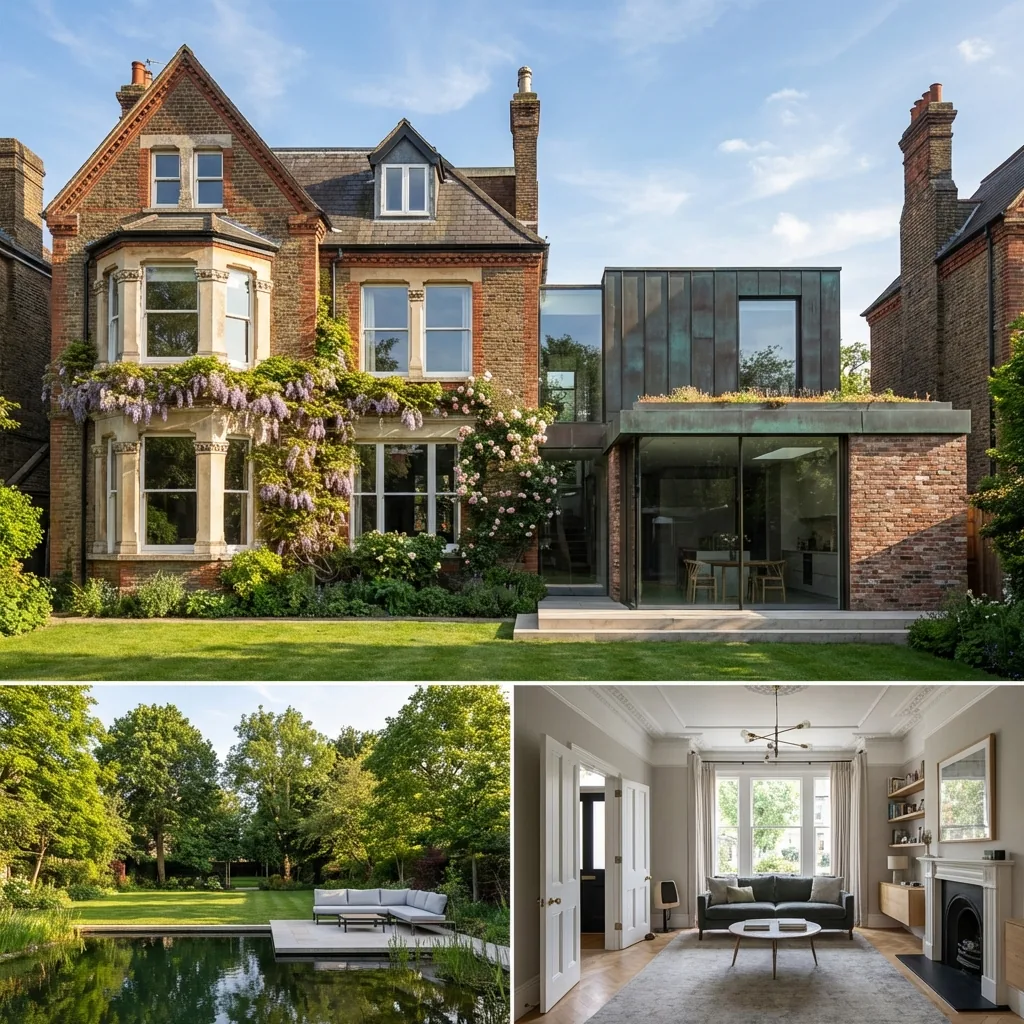
The question comes up at the very start of almost every extension project. And the short answer is: you are not legally required to use an architect. But the fuller answer — the one that actually helps you make a good decision — requires understanding what architects and designers actually do, what goes wrong when those roles are missing, and where the real risks sit.
This article explains the difference between the professionals involved in an extension project, when each adds value, and how to think about the design question for your specific situation.
The Legal Position
In England and Wales, the title 'architect' is legally protected under the Architects Act 1997. Only someone registered with the Architects Registration Board (ARB) can call themselves an architect. But the work of designing and drawing up an extension — including preparing planning applications and Building Regulations drawings — is not legally restricted to architects. Any competent person can do it.
This means that architectural technologists, architectural designers, planning consultants, structural engineers, and even experienced contractors can all legally prepare the drawings for your project and submit them on your behalf. Whether they do it well is a different question.
What an Architect Actually Does
Architects are trained across the full lifespan of a project — from the first sketch through to construction completion. Their work typically falls into stages:
Architect's Scope by Stage
| Feasibility | Assessing what's possible given the site, planning constraints, and ambitions. Usually brief but essential for setting expectations. |
| Concept Design | Exploring layout options, spatial quality, and the architectural approach. This is where good design decisions are made. |
| Planning Drawings | Producing the drawings and documents submitted to the local authority for planning permission or prior approval. |
| Technical Design & Building Regs | Detailed construction drawings and specifications for Building Regulations approval and for the contractor to build from. |
| Specification | Describing materials, products, workmanship standards, and finish. Defines what you're actually getting. |
| Contract Administration | Managing the contract on site — inspecting works, certifying payments, issuing instructions, certifying completion. |
Many homeowners commission only the first three stages — getting the design and planning permission sorted — and then hand over to the contractor without the architect's ongoing involvement. This is common and can work well, but it leaves gaps that need to be consciously managed.
Architect vs Architectural Designer: What's the Difference?
An architectural designer or architectural technologist is not registered with the ARB and cannot use the protected title 'architect'. But this says very little about their competence. Many architectural designers specialise entirely in residential extensions and have done hundreds of them across a specific set of London boroughs. Their working knowledge of local planning authority preferences, permitted development conditions, and Building Regulations requirements can be extensive.
The meaningful differences are accountability and insurance. Registered architects must maintain professional indemnity insurance, follow a code of conduct, and can be struck off if they act improperly. Architectural designers are not subject to the same regulatory framework, so you are more reliant on reputation, recommendation, and the contract you put in place with them.
When Does an Architect Add the Most Value?
Architects tend to earn their fee most clearly in specific circumstances:
Conservation Areas and Listed Buildings
Applications in conservation areas are assessed partly on design quality and how well the proposal preserves or enhances the character of the area. An architect who understands conservation area character statements, local design guidance, and how to make a compelling design narrative can meaningfully improve the chances of approval and the quality of the outcome. For listed building consent, the case for professional design input is even stronger.
Complex Planning Histories
If there have been previous refusals on the property, an unusual planning history, or the proposal is at the limits of what policy allows, an architect with experience of the relevant authority can help navigate the pre-application process and frame the application persuasively.
Larger and More Ambitious Projects
A two-storey side and rear extension involving significant structural work, internal remodelling, and multiple planning conditions is a different proposition from a straightforward single-storey rear box. The more complex the project, the more value there is in having a designer who can coordinate the full technical package and manage the design intent through construction.
Where Architectural Quality Matters to You
If the design of the space genuinely matters to you — the quality of light, the relationship between inside and outside, the proportions of the rooms — then commissioning a designer who cares about these things, regardless of registration, will produce a better result than one who treats the work as a drawing exercise.
Contract Administration: Do You Need It?
Contract administration is the role of an independent professional who oversees the building contract on the client's behalf. On a residential extension, this typically means the architect or a project manager visiting site at key stages, checking that work matches the drawings and specification, certifying when the contractor is entitled to payment, and issuing the practical completion certificate at the end.
On small extensions it is often omitted. The homeowner manages the contractor directly, agrees payments informally, and relies on Building Control inspections for quality oversight. This can work fine on a simple project with a trustworthy contractor. The risk is that without independent oversight, design intent and specification compliance can slip — and you may not notice until after practical completion when defects are harder to address.
Who Does What: Key Roles on a London Extension
| Architect / Architectural Designer | Design, planning drawings, technical drawings, specification, contract administration (if appointed). |
| Structural Engineer | Foundation design, steel beam sizing, pad calculations. Required for Building Regs on most extensions. Separate appointment from the architect. |
| Party Wall Surveyor | Required if works affect a shared wall or are within 3–6 metres of a neighbour's foundations. Independent appointment. |
| Planning Consultant | Sometimes used alongside a designer on complex or contested applications to manage the planning strategy and communications with the LPA. |
| Building Control / Approved Inspector | Inspects work on site at key stages to check compliance with Building Regulations. Either the local authority or a private approved inspector. |
| Main Contractor | Responsible for delivering the construction works to programme and to the drawings and specification. |
Can the Contractor Handle the Design?
Some experienced contractors — particularly those who specialise in London residential extensions — work with a preferred designer and can effectively manage the planning and Building Regulations drawing process as part of the overall project. This is sometimes called a design-and-build arrangement, though in residential work it is usually less formally structured than that term implies.
This can work well when the project is genuinely straightforward, the contractor has an established relationship with a competent designer, and the homeowner is comfortable with less separation between the design and construction responsibilities. It tends to work less well on conservation area applications, listed buildings, or projects where the design quality is the primary concern — since the contractor's incentive is to get a buildable drawing, not necessarily the best design.
What Are the Risks of No Proper Design Input?
The most common consequences of under-investing in the design stage are not dramatic — they are subtle and cumulative:
- Ambiguous or incomplete construction drawings that lead to disagreements on site about what was agreed
- A planning application that doesn't adequately respond to local design guidance and either gets refused or attracts onerous conditions
- Missing technical coordination between the architectural and structural drawings, causing expensive surprises during construction
- A finished extension that functions adequately but is spatially mediocre — rooms that feel dark, proportions that feel wrong, thresholds that are clumsy
None of these are inevitable without a registered architect. They are the result of the design not being done properly, whoever does it.
How to Find the Right Designer for Your Extension
The most reliable routes are recommendation and evidence. Look at completed extensions in your street or area and trace the agent or designer named on the approved planning application — the local authority's decision portal is publicly searchable. Ask your structural engineer for designers they work with regularly and respect. Check RIBA's Find an Architect tool if you specifically want a registered architect. And interview at least two or three designers before appointing, asking specifically about their experience with your borough and the type of extension you are planning.
Borough-specific experience is worth weighting heavily. A designer who has done dozens of applications at Islington, Hackney, or Southwark will know what the planning officers look for and how the council's design guidance is applied in practice. That knowledge is often more valuable than a professional qualification in isolation.
Frequently Asked Questions
Do I legally need an architect for a house extension in London?
No. Planning and Building Regulations drawings can be prepared by any competent person. The title 'architect' is protected, but the design work itself is not restricted to registered architects.
What is the difference between an architect and an architectural designer?
An architect is registered with the Architects Registration Board and must maintain professional indemnity insurance and comply with a code of conduct. An architectural designer is not registered and cannot use the protected title, but may be equally — or more — skilled in residential extension work. The practical differences are accountability and insurance, not necessarily capability.
Do I need an architect for a conservation area extension?
Not legally, but the quality of the design narrative matters more in conservation areas. An experienced designer — registered or not — who understands local character statements and has navigated similar applications at your borough will give you better prospects than someone without that background.
Do I need a structural engineer as well?
Yes, for most extensions. The structural engineer designs the steel beam for the new rear opening, the foundation specification, and any other load-bearing elements. Their calculations form part of the Building Regulations submission. This is a separate professional appointment from the architect or designer.
What is contract administration and do I need it?
Contract administration is independent oversight of the building contract — site inspections, payment certification, and practical completion sign-off. It is often omitted on small extensions. Whether you need it depends on your confidence managing the contractor directly and how much independent oversight you want during the build.
Can the contractor manage the drawings?
Experienced contractors often work with a preferred designer and can manage the drawing process for straightforward projects. This works best on simple extensions in non-constrained locations. For conservation areas, listed buildings, or design-led projects, a separate and independent designer appointment is usually the better approach.