
House Extension Costs in Brixton: The SW2 & SW9 Reality Check
By My Local London Builder Team | March 2026
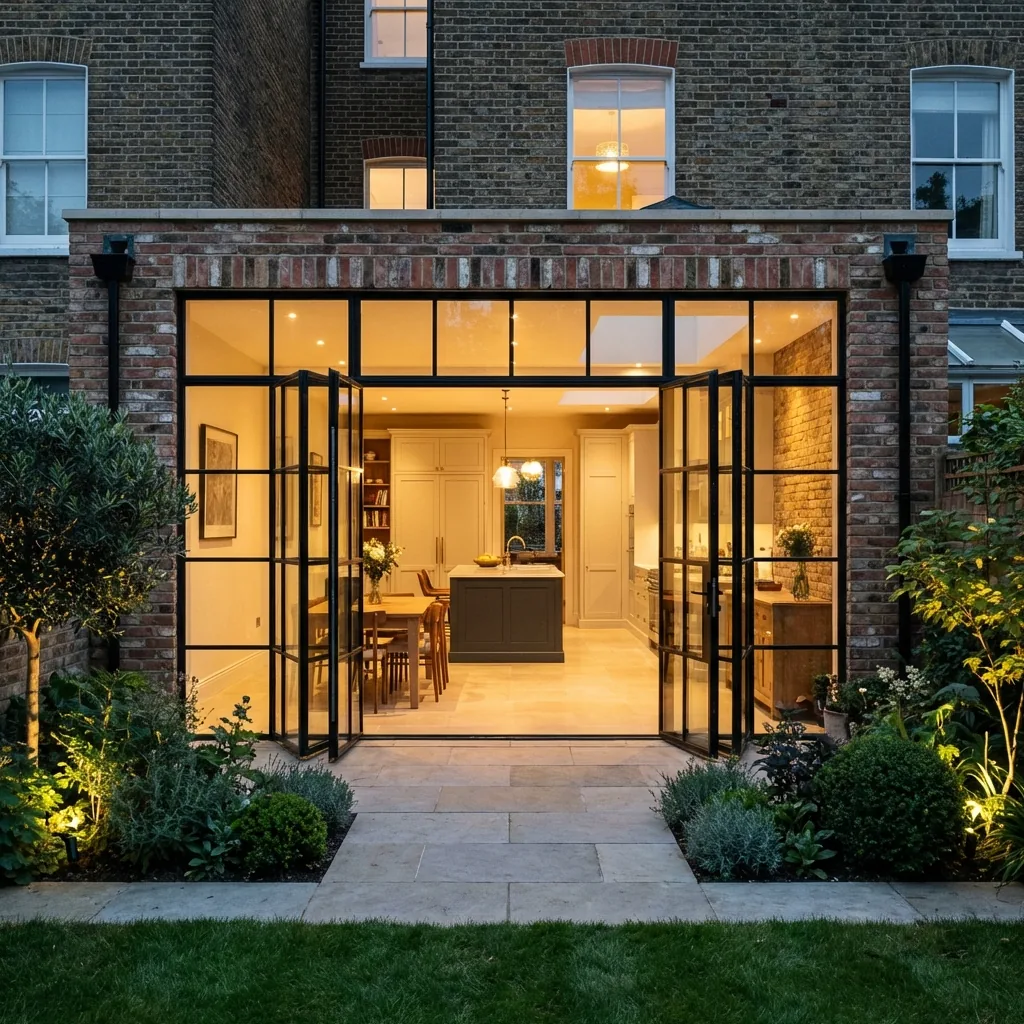
Summary: Brixton has changed. The Victorian terraces of SW2 and SW9 that were trading at £300,000 a decade ago are now worth double that — and the gap between a three-bedroom and a four-bedroom house in this postcode is significant enough to justify serious construction work. This guide gives you the real numbers: what a house extension actually costs in Brixton in 2026, what drives the price up or down, and what Lambeth Council will and won't approve.
You have probably had two or three builders round already. One quoted £48,000 and smelled of desperation. One quoted £130,000 and arrived in a Range Rover. Neither gave you a breakdown that made sense. You are no closer to knowing what your extension should actually cost.
This is the guide that fills that gap. Not a vague range from a comparison website. Real figures, grounded in what we actually build in SW2 and SW9, with an honest account of what pushes costs up and what keeps them down.
The Brixton Property Equation
Before talking about costs, understand the context. The average Victorian mid-terrace in SW2 is now worth £600,000–£750,000. The premium for a four-bedroom house over a three-bedroom — same street, same condition — is typically £100,000–£160,000. A well-executed rear extension creating that fourth bedroom, or transforming a cramped kitchen into an open-plan ground floor, costs £55,000–£85,000.
The arithmetic is obvious. But the number that trips people up is not the build cost — it is the total project cost, once you add professional fees, planning, Building Regulations, structural engineer, party wall surveyors, and the kitchen or bathroom that inevitably comes with the works. That total is what this guide addresses.
The Numbers: What Extensions Actually Cost in Brixton (2026)
Cost Benchmarks — SW2 & SW9 (2026, including VAT)
- Single-storey rear extension, 4m × 4m, standard spec: £55,000–£68,000
- Single-storey rear extension, 4m × 5m, mid spec + structural glazing: £68,000–£85,000
- Side return infill, standard spec: £48,000–£65,000
- Side return + rear extension (wraparound), mid spec: £90,000–£125,000
- Two-storey rear extension: £95,000–£140,000
- Rear extension + full internal renovation: £130,000–£185,000
These figures assume a standard Brixton Victorian terrace: solid brick construction, no underpinning required, normal ground conditions, and a project managed with proper drawings and a JCT contract. They include all labour and materials but exclude kitchen units, appliances, and any specialist finishes you specify separately.
What "Standard Spec" and "Mid Spec" Actually Mean
The difference between a £58,000 extension and a £78,000 extension of the same footprint is almost entirely specification. It is not quality of construction — both should be built to Building Regulations standard. It is the finish you choose on top of that structural shell.
Standard spec: Flat or tiled pitched roof. Bi-fold or sliding doors (aluminium, mid-range supplier). Porcelain or engineered timber floor. Solid plaster walls painted. One set of roof lights. This is a perfectly good, liveable extension that will last 40 years.
Mid spec: Structural glass roof or full-width glazed lantern. Aluminium doors from a premium supplier. Polished concrete or large-format tile floor with underfloor heating. Concealed services. Bespoke joinery details. This is where the Instagram photos come from.
Be honest with yourself about which you need. A structural glass roof adds beauty and light but costs £10,000–£18,000 more than a well-designed tile or flat roof with good Velux placement. In a rented property or a house you plan to sell within three years, standard spec makes financial sense.
The Five Things That Push Costs Up in SW2
Every builder in Brixton has the same experience: you quote the job, you start digging, and you find something unexpected. Here is what to budget for before it finds you.
- The Effra: Much of SW2 and SW9 sits above or adjacent to the culverted River Effra. The ground in these areas can be variable — waterlogged, made-up ground, or running sand. If your structural engineer flags this, budget an additional £5,000–£15,000 for deeper or reinforced foundations. Get a soil survey before you go out to tender.
- Victorian drainage: The clay-pipe drainage system under most Brixton terraces is 150 years old and runs in unexpected directions. Rerouting a soil stack or moving a manhole adds £3,000–£8,000 and usually cannot be confirmed until the ground is open.
- Structural glazing: The full glass roof is the single biggest spec upgrade. Budget it as a separate line item so it does not distort your core build cost comparison.
- Party wall disputes: If either neighbour appoints their own surveyor, you pay both fees. In a terrace, that can mean £1,500–£3,000 per neighbour in dispute. Serve notices early and maintain good relationships. Read our Party Wall guide before you start.
- Lambeth Building Control: Lambeth Council's Building Control is thorough. Inspections are frequent and they do not sign off on shortcuts. This is a good thing — your building will be solid — but it means your builder needs to programme in inspection hold points that add a few days to the schedule. Builders who are not used to working in Lambeth underestimate this.
Planning in Lambeth: What You Can and Cannot Do
Lambeth Council covers Brixton, Stockwell, Tulse Hill, Herne Hill and Streatham. Its planning department has a reputation for being thorough, and for reasons that are not always obvious to homeowners, many streets in the borough sit within Article 4 Direction areas that remove standard Permitted Development rights.
If you are Permitted Development: A single-storey rear extension up to 4m deep on a terrace, or 6m deep under the Neighbour Consultation Scheme (with neighbour notification), does not require a planning application. Apply for a Certificate of Lawfulness regardless — it costs around £206 and gives you legal certainty. Do not skip this step.
If you are in a conservation area: Parts of Brixton Hill, Acre Lane and the streets surrounding Brixton town centre are within conservation areas. Here, any external alteration — including rear extensions, replacement windows and roof alterations — requires Full Planning Permission. Lambeth's conservation officer will scrutinise materials, proportions and the impact on the character of the area. Budget an extra £1,500–£2,500 for a planning architect and allow 10–12 weeks for determination.
The definitive check: use Lambeth's online planning portal to confirm your property's status before you commission any drawings. Our full planning permission guide covers the national rules in detail.
"The difference between a £58,000 and a £78,000 extension of the same footprint is almost entirely the specification — not the quality of the construction."
Professional Fees: The Budget Line Everyone Forgets
The build cost is not your total project cost. Before a brick is laid, you will spend money on people who never pick up a tool. Budget these separately and do not let a builder absorb them into a vague lump sum.
- Architect / architectural technician: £3,000–£8,000 for planning drawings and building regulations package, depending on complexity.
- Structural engineer: £800–£2,000 for calculations and specification.
- Planning application or Certificate of Lawfulness: £206–£462 (council fee) plus architect time.
- Building Regulations application: £800–£1,400 (Lambeth Building Control full plans application).
- Party wall surveyor(s): £700–£1,500 per neighbour in dispute.
Total professional fees for a standard Brixton rear extension: typically £6,000–£14,000 on top of the build cost. On a £70,000 extension, that is a meaningful addition. It is not optional.
The Brixton ROI: Does It Stack Up?
The short answer is yes — particularly for the ground-floor open-plan transformation that the Victorian terrace layout demands. Brixton's buyer market in 2026 is heavily weighted towards families who know the postcode and do not want to leave it. The premium they will pay for a house that already has the work done — the open kitchen, the extra bedroom, the quality finish — is real and consistent.
A rear extension to a SW2 Victorian terrace, adding 20–25 square metres of open-plan ground-floor space, typically adds £90,000–£130,000 of value against a total project cost (build plus fees) of £75,000–£100,000. The uplift is not guaranteed, and it depends on the quality of execution — a poorly finished extension adds less value than the cost. But a well-designed, properly built extension in Brixton remains one of the highest-returning home improvements in London. See our full analysis in the adding value guide.
Getting a Quote That Means Something
The most common mistake Brixton homeowners make is going out to tender too early — before they have proper drawings. A builder quoting from a sketch and a verbal description is giving you a number that bears no relationship to the actual job. It will change. It will change upwards.
Before you approach any builder, you need: architectural drawings showing the extension in plan and elevation, a structural engineer's preliminary specification, and a clear schedule of works that defines what is and is not included. Give the same pack to every builder. Then the quotes are comparable and the conversation is productive.
We work regularly across SW2, SW9, and surrounding Lambeth postcodes. If you are ready to talk through your project — or just want a second opinion on a quote you have received — contact our team for a no-obligation conversation.
Frequently Asked Questions
1. How much does a rear extension cost in Brixton?
A single-storey rear extension on a Victorian terrace in Brixton (SW2/SW9) costs £55,000–£85,000 in 2026, depending on size and specification. A 4m × 5m extension at mid-range spec — structural glazing, engineered timber floor, solid plastered walls — lands around £68,000–£78,000 including professional fees, planning and Building Regulations.
2. Do I need planning permission for an extension in Brixton?
Many single-storey rear extensions fall under Permitted Development. However, Lambeth Council has applied Article 4 Directions across several Brixton streets that remove these rights. If your property is in a conservation area, you need Full Planning Permission regardless of size. Always check with Lambeth's online planning portal and apply for a Certificate of Lawfulness before starting work.
3. Is Brixton a conservation area?
Parts of Brixton are. The Brixton Town Centre Conservation Area covers the commercial core, while residential conservation areas exist along Brixton Hill, Acre Lane and surrounding streets. Conservation area status removes Permitted Development rights and requires Full Planning Permission. Check Lambeth's planning map before proceeding.
4. What does a side return extension cost in SW2?
A side return extension in Brixton costs £48,000–£65,000 depending on length and glazing specification. A structural glass roof adds £8,000–£15,000 over a tiled or flat roof but transforms the light quality. Most Victorian terraces in SW2 have side returns of 1.2–1.8m wide and 4–6m long. See our full side return guide for details.
5. What adds the most value to a Brixton property?
A rear extension or loft conversion creating an additional bedroom and open-plan living space adds the highest value relative to cost. A well-specified rear extension costing £68,000 in Brixton can add £90,000–£130,000 to the market value of a Victorian terrace. See our full adding value guide.
6. How long does a house extension take in Brixton?
A single-storey rear extension takes 10–14 weeks on site. Add 3–5 months for the pre-construction phase: drawings, planning, Building Regulations approval, and party wall notices. Plan at least 6 months ahead of your desired start date. Our full London extension process guide covers every stage.
7. What are the biggest cost variables for a Brixton extension?
The five main variables are: structural glazing specification, ground conditions near the River Effra, Victorian drainage rerouting, party wall surveyor fees, and kitchen fit-out (budgeted separately from the extension shell). See the section above for detailed figures on each.
8. Do I need a Party Wall Agreement for a Brixton extension?
Yes, in almost all cases. Rear extensions involve excavation within 3–6m of a neighbour's foundations; side returns build to or on the boundary line. Serve Party Wall Notices on all affected neighbours at least two months before work starts. Budget £800–£1,500 per surveyor if any neighbour dissents.
9. Can I combine an extension with a full renovation in Brixton?
Yes, and it is usually cost-effective — one mobilisation, one scaffold, one period of disruption. A rear extension combined with a full internal renovation of a three-bedroom Brixton terrace typically costs £130,000–£185,000 and takes 20–26 weeks on site.
10. How do I get an accurate extension quote in Brixton?
Commission proper architectural drawings first, then get at least three quotes from the same specification pack. Quotes without drawings are meaningless. Check each quote itemises groundworks, steel, roofing, glazing, first and second fix, and finishing separately. Contact us for a no-obligation quote in SW2 or SW9.