
What 2025–26 Building Regulation Changes Mean for Your London Extension
By My Local London Builder Team | February 1, 2025
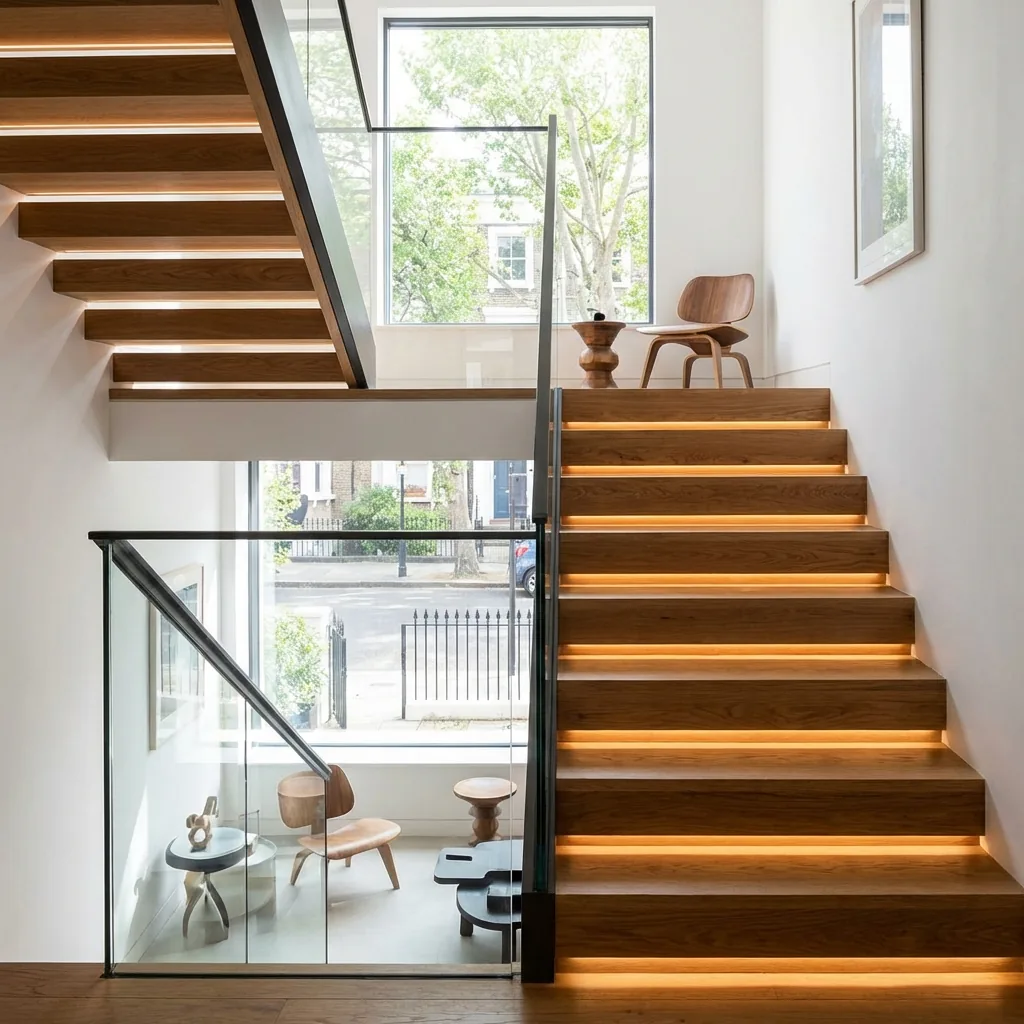
Summary: The rules of the game are changing. Again. The government's "Future Homes Standard" is tightening the noose on carbon, heat, and fire safety. If you are designing an extension in London today for a build tomorrow, you might already be non-compliant. This guide cuts through the noise of Approved Documents to tell you exactly what is changing for Part L, F, B, and O, and why your "glass box" dream might need a serious rethink.
You cannot build yesterday's house today. The construction industry is in a state of rapid flux, driven by a panicked urgency to meet Net Zero targets and a post-Grenfell obsession with safety. For the average London homeowner, this means one thing: complexity.
Gone are the days of sketching a box on a napkin and cracking on. We are moving towards a high-performance building culture. It’s annoying, it’s expensive, but it’s happening. Denial will only cost you money when the inspector refuses to sign off your posh new kitchen. We all struggle with the red tape, but see it as a framework for quality, not just a barrier.
Part L: The Death of the Glass Box? (Energy)
Part L (Conservation of Fuel and Power) is the big one. The days of slapping a fully glazed extension onto a leaky Victorian terrace are numbered. The new regulations demand lower U-values (thermal transmittance) than ever before.
The "Notional Extension" targets are becoming stricter. If you want huge sliding doors, you have to "pay" for them elsewhere. You can't just have all the glass you want. You must over-insulate the floor, the roof, and the walls to compensate for the heat loss of the glass. This is the trade-off. We explain this balance in our 2025 Extension Process Guide.
The Reality: Expect thicker walls (losing internal space) and deeper floor voids (affecting ceiling heights). Physics doesn't negotiate.
Part O: Stopping the Sweat (Overheating)
This is the new kid on the block, and it bites. Part O (Overheating) was introduced to stop us building greenhouses that are uninhabitable in July. London is classified as "High Risk".
The Rule: You strictly limit solar gain. This means you might not be allowed that south-facing floor-to-ceiling glass wall unless you have specific shading strategies (overhangs, shutters, special glass). It’s not about keeping warm anymore; it’s about not cooking yourself alive.
Part B: Fire Safety is Non-Negotiable
Post-Grenfell, Part B is under constant review. For London homes, this hits hardest in two areas: Open Plan layouts and Loft Conversions.
Lofts: If you are planning a Mansard or Dormer loft, the escape route is sacrosanct. You usually need FD30 fire doors on all habitable rooms leading to the stairwell. No exceptions. No "we'll swap them back later". Safety starts with showing up and doing it right.
Open Plan: Removing the hallway wall to create a mega-living space? You’ve just removed the fire separation. You will likely need a mist suppression system (automist) to get this signed off. It adds £3k-£5k to the budget. Factor it in.
Part F: Ventilation (The Lungs)
As we seal our homes up to meet Part L, we risk suffocating them. Damp and mould are the enemies of the airtight home. Part F mandates adequate ventilation.
The Ugly Truth: You need trickle vents on your new windows. Yes, they look plastic and cheap. Yes, you have to have them. Or, you install a Mechanical Ventilation with Heat Recovery (MVHR) system, which is superior but costs significantly more. Choice is yours, but fresh air is mandatory.
The 2026 Homeowner Checklist
Don't design a 2024 house for a 2026 build. If you are planning works, check these now:
- Insulation Depth: Is your architect drawing 100mm Celotex? It might need to be 150mm. Check the floor levels.
- Glazing Ratio: Does your glass area exceed 25% of the floor area? If so, where is the SAP calculation proving compliance?
- Overheating Strategy: If your extension faces South or West, have you designed shading?
- Fire Route: Are you trying to dodge fire doors? Stop. Plan for them or budget for a mist system.
- Ventilation: Have you accepted trickle vents, or are you upgrading to MVHR?
- Contract: Ensure your builder is contracted to meet current regulations at the time of building, not drawing. See our JCT Contracts Guide.
Frequently Asked Questions
1. When do these changes officially take effect?
The Future Homes Standard is set for full implementation in 2025, but interim uplifts to Part L and F are already in force. If you haven't started building, assume the stricter rules apply.
2. Can I still have bi-fold doors across the whole back?
Yes, but it's harder. You will likely need "high performance" glass (expensive) and you will definitely need to upgrade the insulation in the roof and walls to offset the heat loss.
3. Do I need permission for trickle vents?
No, they are a building regulation requirement. Planning departments generally accept them as necessary evils, even in conservation areas (though check with your officer).
4. Will my extension need a heat pump?
Not necessarily an extension, but new builds yes. However, fitting underfloor heating that is "heat pump ready" (lower flow temperatures) is a smart future-proofing move.
5. How much extra will compliance cost?
Estimate an extra 5-10% on structural costs for thicker insulation, better glass, and potential fire suppression systems. Quality costs money.
6. Does Part O affect North-facing extensions?
It applies to the whole building, but North-facing rooms are less likely to fail the overheating criteria. South and West are the danger zones.
7. Can I ignore the fire door rules if I live alone?
No. Building Regulations protect the building and future occupants, not just you. Your completion certificate depends on it.
8. What is a U-Value?
It measures how much heat passes through a material. Lower is better. A brick wall is ~1.5. A new extension wall needs to be ~0.18. That's a huge difference.
9. Do I need to upgrade my existing house?
Usually, no. "Consequential improvements" usually only apply to large extensions (>100sqm) or commercial buildings. You generally don't have to upgrade the main house insulation just to extend.
10. Who signs this off? Approved Inspector or Council?
Either. Both must inspect to the same standards. Private inspectors can be faster, but they have no leeway on the law.