
House Extension Planning in Camden — What London's Most Restrictive Borough Allows
Camden is London's most heavily restricted borough for house extensions. With more conservation areas than almost any other London borough, widespread Article 4 Directions, and strict heritage protection policies, a Camden extension requires careful planning, early consultation, and a design approach that respects the borough's architectural character. This guide explains what's permitted, what gets refused, and how to navigate the planning system in one of London's most sensitive areas.
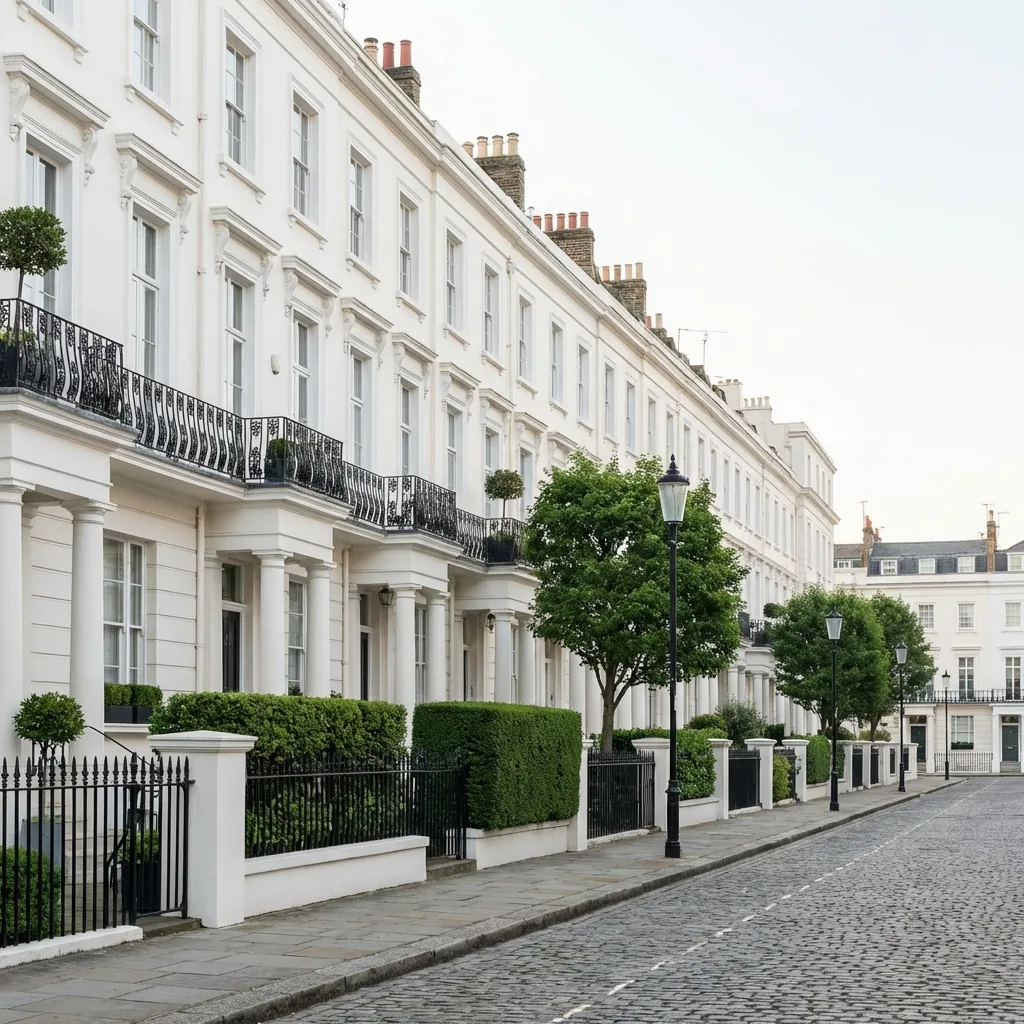
Why Camden Is Different: Understanding the Borough's Approach to Extensions
Camden is fundamentally different from most London boroughs when it comes to residential extensions. The council has a clear, consistently applied policy: protecting the borough's character and heritage is non-negotiable. Unlike boroughs where extensions can be streamlined through permitted development rights, much of Camden requires planning permission for work that would be automatic elsewhere.
The reason is straightforward. Camden includes some of London's most architecturally significant areas — Hampstead, Bloomsbury, Fitzrovia, Primrose Hill, Highgate — and historic neighborhoods where Victorian and Georgian terraces dominate. The council's planning department treats these areas as coherent wholes, not collections of individual properties. An extension that disrupts the roofline, breaks up a terrace rhythm, or introduces incompatible materials is not just a planning violation; it's seen as damaging the borough's identity.
This approach isn't ideological obstruction; it's planning policy grounded in conservation designation and strategic protection. However, it does mean that what's routine elsewhere requires serious preparation in Camden. You cannot approach a Camden extension as a straightforward planning application. You must approach it as a heritage argument.
Camden's Conservation Areas: Where the Real Restrictions Begin
Over 50% of Camden is designated as conservation area. That's one of the highest percentages in London. Within a conservation area, even "minor" works trigger planning controls. Adding a satellite dish, replacing timber sash windows with uPVC, or painting a brick wall require conservation area consent. Extensions almost always need planning permission.
The main conservation areas affecting residential extensions are:
- Hampstead — The largest and most restrictive. Victorian and Edwardian villas, terraces on steep hillsides. Extensions rarely approved if visible from the street. Dormer windows generally refused.
- Bloomsbury — Georgian and Victorian squares and streets. Formal terraces with consistent building lines. Side extensions almost always refused. Rear extensions must not be visible from the street.
- Fitzrovia — Similar to Bloomsbury. Georgian and Victorian townhouses. Strict control over dormers and roof extensions.
- Primrose Hill — Victorian villas and terraces on sloping ground. Highly sensitive to prominence and visibility. Extensions hard to achieve without visual impact.
- Kentish Town — Mixed Victorian terraces and later housing. Some exceptions to strict rules, but still conservation-controlled.
- Gospel Oak — Victorian and Edwardian working-class terraces. Extensions more achievable here than in Hampstead or Bloomsbury, but still subject to full conservation controls.
- Highgate — Shared with Haringey. Hilltop conservation area with formal townhouses and villas. Roofline changes almost never approved.
- St Pancras — Central location near railway heritage. Late Victorian streets with restricted extension options.
If your property is in one of these areas, expect a longer timescale, more planning risk, and stronger design requirements. The conservation area designation is not a ban, but it is a serious constraint.
Article 4 Directions: When Permitted Development Rights Disappear
Article 4 Directions are a planning mechanism that removes certain permitted development rights and forces planning permission for work that would normally be automatic. Camden has issued Article 4 Directions across large parts of the borough, covering classes of development that elsewhere require no planning permission at all.
In Article 4 areas, you cannot:
- Add a dormer window without planning permission
- Build a rear extension beyond certain limits without permission
- Add a mansard conversion automatically
- Extend upwards or to the side under permitted development rules
This means that even if the building regulations allow it and it's structurally feasible, you still need planning permission. The effect is to bring virtually all extension work into the full planning system, where the council can exercise design control.
Article 4 Directions are particularly widespread in:
- Hampstead, Belsize Park, and surrounding high-value residential areas
- Bloomsbury and central historic areas
- Kentish Town and parts of Chalk Farm
Before you design an extension, check whether your property is within an Article 4 Direction. If it is, any form of extension will require planning permission. If it isn't, you may have some permitted development rights, but conservation area status will still constrain what you can do.
Camden's approach is clear: extensions must be invisible or sympathetic. If it can be seen from the street, or if it disrupts the character of the terrace, it will be refused. Design your extension for the conservation area first, then check building regulations.
What Camden Planners Actually Look For: Design Guidance and Policy
Camden's planning department applies policies consistently because they publish clear guidance. The council's SPD (Supplementary Planning Document) and design guides specify what's acceptable. Understanding these documents is essential to designing an extension that has a realistic chance of approval.
Key design principles that Camden expects:
- Invisibility from the street — Rear extensions should not be visible from the front of the property or from the street. If the extension is visible, it must be subordinate and sympathetic.
- Respect for rooflines — Extensions should not break or disrupt the existing roofline of the building or the street. Dormers are rarely approved in conservation areas unless they're small, set back, and traditional in design.
- Material consistency — Brick extensions must match the existing brick (colour, bond, mortar colour). Render must be compatible. Visible new materials trigger refusal.
- Fenestration patterns — Windows should reflect the existing pattern of the building. Modern, large windows set in a uniform grid will be refused in favour of traditional sash or casement proportions.
- Servicing and detail — Pipes, drains, and modern services should not be visible on elevations. Bin storage and cycle storage must be integrated discretely.
- Impact on neighbours — Loss of light, overshadowing, or overlooking are material planning considerations. Extensions in tight terraces face scrutiny on these grounds.
Camden also publishes conservation area appraisals for many areas. These documents describe the character, materials, building styles, and typical street layouts. Your extension should not contradict what the appraisal identifies as locally important. If the appraisal emphasizes brick detailing or traditional eaves, your extension should respect these features.
Rear Extensions in Camden: What Gets Approved and What Gets Refused
Rear extensions are the most common type of extension in Camden, and they're the most likely to succeed — provided they're designed correctly. However, "rear" doesn't mean automatically acceptable.
Approved rear extensions typically have these characteristics:
- Single storey only, or at most a modest storey-and-a-half stepping down towards the rear
- Set back significantly from the rear elevation, or at least subordinate in mass
- Pitched roof, or a roof that's lower than the main building
- Finished in brick or materials matching the host building
- Not visible from the front street, or minimally visible and clearly subservient
- Appropriate spacing from neighboring boundaries (not right on the line, respecting light and outlook)
Refused rear extensions typically have these characteristics:
- Two storeys high across the full width, creating an overbearing impact
- Visible from the street and competing visually with the main building
- Modern design language (large frameless glass, flat roofs, industrial materials) inconsistent with the host property
- Extending very close to neighboring boundaries, causing loss of light or overlooking
- Mansard conversions of the roof without sympathetic design or heritage justification
- Excessive building line depth, effectively doubling the floor area of the property
In Camden conservation areas, a single-storey rear extension with a traditional pitched roof and matching materials is a reasonable design starting point. However, even this needs to satisfy the conservation area character test. In a tight terraced street, even a single storey can be problematic if it's too long or extends very close to neighbours.
Loft Conversions and Dormers in Camden: The Roofline Problem
Loft conversions are common across London, but in Camden they're subject to specific restrictions. The issue is the roofline. Adding a dormer window, a mansard roof, or any form of roof extension is visible, and visibility in a conservation area is the primary problem.
Camden's typical response to dormer windows:
- Traditional dormers (small, timber-framed, set back from the eaves) — Sometimes approved if they fit the building's character and there are existing examples on the street
- Roof lights (Velux windows) — More likely to be approved than dormers because they're less visually intrusive and don't break the roofline
- Mansard roofs — Rarely approved unless the property already has mansard features or there's a strong historical precedent in the street
- Contemporary dormers (large, aluminum-framed, modern proportions) — Almost always refused in conservation areas
The practical effect is that loft conversions in Camden terraces are often achieved through roof lights rather than dormers. This limits headroom and flexibility, but it's more likely to gain planning permission. Some applicants successfully argue that a traditional dormer matches the character of an existing property if other houses on the street have them, but this requires careful research and a strong historical argument.
Mansard roofs are a different case. If the property dates from a period when mansards were common, and the street has examples, an application might succeed. But contemporary mansard conversions in Victorian terraces are typically refused as introducing an alien design language to a historic streetscape.
Side Extensions: The Difficult Option
Side extensions are architecturally challenging in Camden and face significant planning obstacles. In most conservation areas, a side extension breaks up the rhythm of a terrace or dislocates the building's visual relationship with its neighbours. Even modest side extensions are often refused on conservation grounds.
The council's position is that if the property is terraced, adding to the side disrupts the terrace unity. If it's detached or semi-detached, a side extension may be more acceptable but still faces design scrutiny. The extension must be clearly subordinate to the main building, set back from the front elevation, and finished in compatible materials.
Side extensions that have succeeded in Camden typically have these characteristics:
- Single storey, not rising above the eaves of the main building
- Set back 1-2 metres from the front line, clearly subsidiary
- Narrow depth, extending only 2-3 metres from the existing side wall
- Used for a modest functional space (storage, utility room, or lobby) rather than a major living space
- On properties where the side setback is already significant (semi-detached with established gap to neighbour)
In tight terraced streets, side extensions are nearly always refused. In more spacious areas with semi-detached houses, they have a better chance but still need careful design and consultation.
Pre-Application Advice: Why It's Essential in Camden
Every London borough offers pre-application advice, but in Camden it's not optional — it's essential. The council's planning department provides a genuine consultation service, and engaging with them before submitting a formal application dramatically improves your chances of success.
In Camden, pre-application advice allows you to:
- Test your design against the council's published policy
- Understand what the case officer thinks is the primary planning issue (visibility, roofline, materials, impact on neighbours)
- Iterate the design based on feedback before you commit to a formal submission
- Build a dialogue with the planning department, which can lead to a more favorable application outcome
- Avoid designing something that the council will automatically refuse, saving months and money
Without pre-application advice, you risk designing an extension in a vacuum, only to discover when the application is submitted that the council sees a fundamental design incompatibility. By that point, you've paid for drawings, structural advice, and potentially started professional work based on an unviable design.
Camden's pre-application service is relatively formal. Submit a sketch design with a brief statement of intent, then book a consultation. Be prepared to ask specific design questions and listen carefully to the response. If the council flags a concern, ask how it could be resolved. This conversation can save you months of failed applications.
Listed Buildings: A Separate Planning Landscape
Camden has over 3,500 listed buildings — the highest concentration of any London borough. If your property is listed (Grade I, II*, or II), extensions are subject to listed building consent in addition to planning permission. Listed building consent is a separate application with different criteria.
For a listed property, the test is not just planning policy; it's whether the extension damages the historic integrity, character, or fabric of the building. Listed building consent typically requires:
- Detailed design justification explaining why the extension is necessary and why it's designed this way
- Historic analysis of the building's construction and character
- Evidence that the extension will not damage historic fabric, original features, or the building's aesthetic character
- Specialist advice from conservation architects or surveyors for more sensitive work
Extensions to listed buildings in Camden are often refused if they affect visible elevations, if they remove historic fabric, or if they're perceived as fundamentally out of character. Internal extensions are usually more acceptable than external ones because they have less visual impact.
If your property is listed, budget for specialist conservation advice. A standard planning consultant won't have the expertise to argue listed building consent successfully.
Key Facts About Planning Extensions in Camden
- Over 50% of the borough is conservation area — making it one of London's most restricted areas for residential changes
- 3,500+ listed buildings — more than any other London borough, requiring dual planning and listed building consent
- Article 4 Directions remove permitted development rights across Hampstead, Bloomsbury, and Fitzrovia — forcing planning permission for work that's automatic elsewhere
- Rear extensions succeed more often than side or front extensions — but only if designed to be invisible from the street
- Dormer windows face refusal rates above 50% in conservation areas — roof lights are more likely to gain approval
- Pre-application advice is essential, not optional — the council's planning team will guide you toward a viable design before you commit to a formal application
How to Approach a Camden Planning Application: Strategy and Documents
A successful Camden planning application requires more than a good design; it requires a strong planning argument. Here's how to approach it:
Step 1: Check Your Designation
Before you design anything, establish: Is your property in a conservation area? Is it listed? Are you in an Article 4 Direction area? Check the Camden planning portal, or ask a planning consultant to run a site search. This determines what permissions you need and how sensitive your application will be.
Step 2: Engage Pre-Application Advice
Submit a sketch design (it doesn't need to be detailed) with a brief statement explaining your proposal. Book a consultation with the council. Listen carefully to feedback. Revise your design based on what the case officer says. This conversation is worth more than any generic planning policy document.
Step 3: Build a Design Argument
Your planning statement should explain:
- Why the extension is needed (increased family size, home office, better flow — simple justification)
- Why the design respects the conservation area character (materials, scale, proportions, invisibility from street)
- How the design responds to the specific street context (matching neighbors, respecting rooflines, appropriate setbacks)
- Why alternative designs were rejected (e.g., "a larger extension was considered but would be overly prominent")
This is not a legal argument; it's a design argument. Show that you've thought carefully about context and character, not just your own needs.
Step 4: Prepare Conservation Area Appraisal Evidence
If your property is in a conservation area, cite the relevant conservation area appraisal. Show how your design respects identified character. If the appraisal emphasizes materials, rooflines, or setbacks, demonstrate how your extension aligns with these.
Step 5: Gather Supporting Documents
Include:
- Site photographs showing the existing building and street context
- Historical images if available (showing the building's evolution)
- Detailed drawings (plans, elevations, sections) at 1:50 or 1:100 scale
- Street elevation drawings showing how the extension sits in context
- Material samples or details showing finish compatibility
- A design and access statement (required in most cases)
Step 6: Manage Neighbor Concerns
In tight terraced streets, neighbors' concerns about loss of light or overlooking carry planning weight. If your extension could affect neighbors, consider how you'll mitigate impact. Set extensions back further, lower roof heights, avoid first-floor windows with low sills, or include screening. Address these issues proactively in your application rather than hoping they won't be raised.
In some cases, getting written support from adjacent neighbors strengthens your application significantly. This isn't required, but it removes a common objection.
| Extension Type | Hampstead / Primrose Hill | Bloomsbury / Fitzrovia | Kentish Town / Gospel Oak |
|---|---|---|---|
| Single-storey rear | Possible if invisible from street | Possible if invisible from street | More likely if sympathetically designed |
| Two-storey rear | Usually refused | Usually refused | Possible if impact mitigated |
| Side extension | Rarely approved | Rarely approved | Possible in semi-detached houses only |
| Dormer window | Refused unless strong precedent | Refused unless strong precedent | Possible if traditional and set back |
| Roof lights | More likely than dormers | More likely than dormers | Generally acceptable |
| Mansard conversion | Rarely approved | Rarely approved | Possible if historically justified |
Frequently Asked Questions
Can I extend a terraced house in Hampstead without planning permission?
No. Hampstead is heavily protected by conservation area designation and Article 4 Directions. Almost all extension work requires planning permission. Even if it were technically permitted development, the conservation area status means you'd still need conservation area consent. Plan on a full planning application for any external work.
What's the difference between planning permission and listed building consent?
Planning permission assesses whether the extension is acceptable in planning policy terms (visibility, character, impact on neighbors). Listed building consent assesses whether it damages the historic integrity of the building. If your property is listed, you need both. They're separate applications with different decision-makers, though the same person may handle both.
Why does my neighbor's extension look different from what they said they'd build?
Extensions sometimes change between the planning approval and the actual build. The approved design might include design conditions (specific materials, details, or finishes) that the applicant must follow. If they didn't comply, that's an enforcement matter. You can report it to the council's planning enforcement team if the built extension significantly differs from what was approved.
How long does a Camden extension application take?
The standard determination period is 8-13 weeks. However, if the council asks for revisions or more information, this extends the timescale. Simple applications (single-storey rear extensions not in conservation areas) might be decided in 6-8 weeks. Complex applications (conservation areas, listed buildings, or neighbor concerns) can take 4-6 months or more if there are appeals or revisions.
If my application is refused, can I appeal?
Yes. You have the right to appeal to the Planning Inspectorate (a national body independent of the council). The appeal is based on the reasons the council gave for refusal. However, appeals in conservation areas face high bars — the inspectorate applies the same policies as the council, so if the council refused on conservation grounds, the appeal needs to successfully argue those grounds away, which is difficult.
What should I do if I disagree with the council's pre-application advice?
You can proceed with a different design, but understand the risk. If the council's pre-app feedback identifies a conservation concern and you submit an application that doesn't address it, the risk of refusal is high. You could ask to meet with the planning team again, or get a second opinion from a specialist planning consultant. But ultimately, you're working within the council's policy framework, so if your design contradicts their conservation guidance, it faces refusal.
Are extensions in listed buildings more likely to be refused?
Not necessarily refused, but they require more detailed justification and conservation expertise. Internal extensions (not visible externally) are usually acceptable. External extensions must be carefully argued and often require specialist conservation advice. If your listed building is also in a conservation area, the scrutiny is even tighter.
Can I extend upwards (add a storey) under permitted development rights in Camden?
Not in most of Camden. Article 4 Directions have removed the permitted development rights for roof-space extensions and upper-floor additions across much of the borough. You'll need planning permission. In non-Article 4 areas, you might have some permitted development rights, but conservation area status will still constrain what you can do.
What if the existing building doesn't comply with modern building regulations — can I use that as justification for the extension?
Building regulation compliance and planning acceptability are separate. The fact that the existing building doesn't meet modern standards is not a planning argument for an extension. Building regulations apply to the new work, not the existing building. However, if structural issues require the extension (e.g., supporting a weakened party wall), this might be a planning consideration.
How do I know if my design will be acceptable before I submit an official application?
Pre-application advice is the answer. The council will tell you, unofficially, whether your design is likely to succeed. Take this seriously. If the case officer says it's unlikely to gain approval, revise your design. Don't submit an application you know the council thinks is problematic — that's a waste of time and money.
What materials should I use for a rear extension in a conservation area?
Match the existing building. If it's a brick Victorian terrace, use matching brick (same color, same bond pattern, compatible mortar). If it's render, use compatible render. Avoid materials that are visibly new or different in appearance. Timber details (sills, coping, reveals) should be finished in traditional profile, not modern aluminum. Ask a conservation consultant if you're uncertain — material incompatibility is a common reason for refusal.
Further Reading
- Camden Local Plan 2017 — Official planning policy
- Camden Conservation Guidance and SPDs — Supplementary planning documents
- Hampstead Conservation Area Appraisal — Character and policy for Hampstead
- Historic England National Heritage List — Check if a property is listed
- Camden Planning Portal — Submit applications and view decisions
- Planning Portal Guide to Article 4 Directions — How they work nationally
- Camden Pre-Application Service — Advice before submission
- Planning Portal — Planning permission guidance and tools