
Extending a 1930s Semi-Detached House in London — Planning, Design and What to Expect
Millions of London homeowners live in 1930s semi-detached houses — these characterful properties offer charm, space, and investment potential. However, extending them requires careful consideration of their distinctive structure, materials, and planning context. This guide covers extension options, design principles, structural considerations specific to this era, common issues discovered during works, and how to navigate planning and building control for 1930s semis.
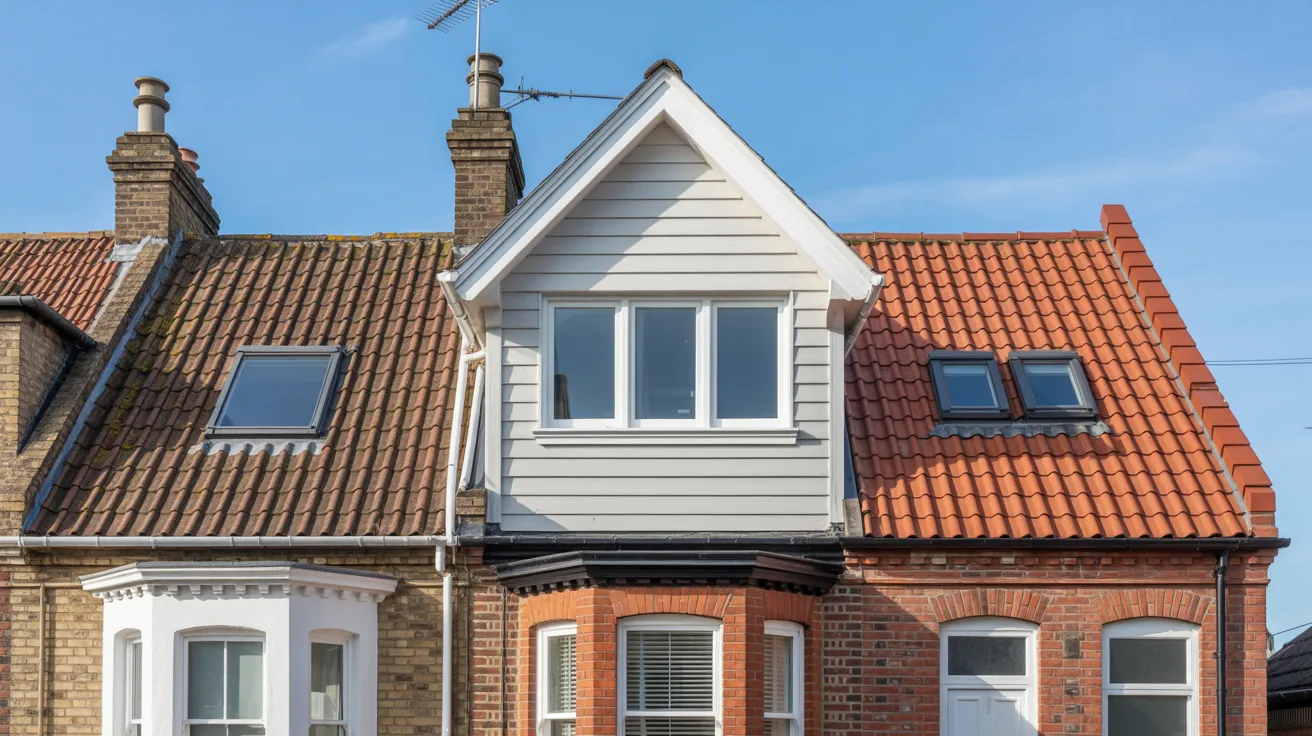
Recognising a 1930s Semi-Detached House
A 1930s semi is instantly recognisable to those familiar with London housing stock. These properties, built roughly between 1920 and 1939, are typically arranged as semi-detached pairs — two houses sharing a party wall but otherwise independent. They are most common in outer London (zones 3 and 4) and in suburbs throughout the home counties.
Key characteristics of a 1930s semi include: a red or cream brick facade, a hipped roof (pitched on all four sides rather than a gable), bay windows at ground floor (often multi-storey bays), characteristic decorative details (brick detailing, tile motifs, leaded windows), and a period-appropriate internal layout with small rooms, narrow staircases, and low ceiling heights by modern standards. Most 1930s semis are detached from their neighbour on the opposite side of the property (the party wall runs down the side), with a small front garden and a larger rear garden.
Structurally, 1930s semis are typically built with solid brick walls (double or triple leaf), timber floor joists, and no cavity wall insulation. The roof structure uses timber rafters with a slate or tile covering. These properties are generally robust and stable, but asbestos is commonly found in textured ceiling coatings, pipe lagging, and garage roofs. Lead paint is present in original windows and joinery.
The Typical Footprint and What It Means for Extensions
A typical 1930s semi has a depth (front to back) of about 8–10 metres and a width of 6–7 metres. The front is narrower (often just one bay window wide) and the rear slightly wider, with a side return or offset. Most have a single storey outshot (kitchen or utility) at the rear, typically 2–3 metres deep and lower in height (2.2–2.4m) than the main house.
This footprint creates natural extension opportunities. A rear single-storey extension can simply extend the existing outshot or replace it with a larger, better-designed space. A two-storey extension is straightforward — the existing rear elevation provides the line to build on, and the roof pitch aligns naturally. A side extension is also feasible on the non-party-wall side, although this requires careful assessment of the existing bay window.
Because 1930s semis are so common in London, planning authorities and neighbours expect sympathetic extensions. This means materials and proportions should echo the original house, not clash with it. A large glass extension facing the street will likely be refused; a carefully designed rear extension with facing brick and matching roof pitch is much more likely to gain approval.
Rear Single-Storey Extension
A rear single-storey extension is the most popular option for 1930s semis. Typical dimensions are 3–4 metres in depth (extending further than the existing outshot) and 6–7 metres wide (matching the existing rear elevation). This creates a spacious kitchen-diner or living space.
Planning considerations: A rear single-storey extension to a 1930s semi usually falls within Permitted Development if it does not exceed 4 metres in depth, remains below 2.5 metres at the eaves (often naturally, as 1930s outshots are lower), and does not cover more than 50% of the original garden. However, if your property is in a conservation area or subject to an Article 4 Direction, a planning application is required. Many London conservation areas restrict extensions without planning permission.
Design approach: Match the original brick (London stock brick is typical) and consider a similar roof material and pitch. For a flat-roofed modern extension, ensure it remains lower than the adjacent original rear elevation so it does not visually dominate the house. Bifold doors are popular for rear single-storey extensions on 1930s semis because they maximize the light and openness of the new space while being hidden from the street.
Structural implications: A rear single-storey extension on a 1930s semi is straightforward structurally. The new extension bears on the existing rear wall, which is built on solid foundations. You will need a structural lintel across the opening where you break through the existing rear wall. If you are inserting bifold doors or large windows, a steel lintel is required; for a solid wall with just a door opening, a concrete lintel is usually sufficient.
Rear Two-Storey Extension
A two-storey rear extension creates significantly more space — the upper floor becomes an additional bedroom or sitting room, and the ground floor gains a larger kitchen or living area. Typical dimensions are 4–5 metres in depth and 6–7 metres wide.
Planning considerations: A two-storey extension is less likely to fall within Permitted Development. Most planning authorities require a planning application for any two-storey extension, particularly in conservation areas. The assessment focuses on whether the extension respects the character of the area and does not appear as an overdominant addition. A two-storey rear extension that is carefully proportioned and uses matching materials is usually approvable, but symmetry, roof form, and neighbour impact matter.
Design approach: A two-storey extension on a 1930s semi works best when it steps back from the party wall or when the rear elevation is staggered to avoid the extension appearing as a simple box. The roof should either tie in with the existing roof pitch (creating a continuous slope) or be deliberately different — a flat roof is often more acceptable than an awkward transition. Windows should echo the 1930s proportions (not oversized contemporary frames) or be deliberately modern (frameless, minimal mullions) rather than attempting an unconvincing period imitation.
Structural implications: A two-storey rear extension requires robust structural support. The ground floor must support not only the floor above but the party wall between this extension and the neighbouring property. The party wall is typically thicker (brick and potentially a timber frame) and must not be damaged or overloaded by the new structure. A structural engineer will specify a steel beam at first floor level to carry the loads above and to manage the party wall relationship. The foundations must be deeper and more substantial than a single-storey extension.
Side Extensions and the Infill Opportunity
Many 1930s semis have a gap or narrow space on the non-party-wall side — between the main house and the boundary fence. This space can be partially filled with a single-storey side extension, sometimes called an "infill" extension.
Planning considerations: A side extension must navigate the bay window carefully. If the bay extends to the side (as many do), the extension must step back from it or wrap around it. Most planning authorities permit a modest side single-storey extension, but the design must feel integrated rather than tacked on. A side extension facing the street is more scrutinized than one partly screened by the existing bay or setback from the front facade.
Design approach: A side extension typically becomes a utility room, cloakroom, or boot room. It should be lower than the main house roof and set back from the front line slightly so as not to appear as a full-width addition. Matching brick and a complementary roof finish are essential. If the existing property has a distinctive side elevation (decorative brickwork, tilework), the extension should not awkwardly interrupt these details.
Structural implications: A side extension bears on new foundations and typically relies on a concrete lintel across any openings. The junction with the existing house can be straightforward if the extension is lower and simpler. However, if the bay window is present, the detail of how the extension meets or integrates with it requires careful design and structural consideration.
Hip-to-Gable Loft Conversion
The signature extension for 1930s semi-detached houses is the hip-to-gable loft conversion. The original hipped roof (pitched on all four sides) is modified to create a gable end on one or both sides, allowing the creation of a proper loft room with headroom under the roof.
In a hip-to-gable conversion, the sloping hipped end is replaced with a vertical gable wall. This provides two major benefits: (1) significantly more internal volume and floor area in the loft; (2) the ability to position windows in the gable wall, providing natural light and ventilation. A hip-to-gable loft conversion on a 1930s semi typically creates one or two large bedrooms, often with en-suite bathrooms, and a bathroom.
Planning considerations: Hip-to-gable conversions in London are increasingly common and generally acceptable, even in conservation areas, provided the design is careful. The gable must be appropriately proportioned — not oversized or visually jarring. If the conversion is visible from the street, the planning authority will consider whether it respects the character of the house and streetscene. Most hip-to-gable conversions are at the rear (invisible from the street) or on the side where they can be sympathetic.
Structural implications: A hip-to-gable conversion requires substantial structural work. The existing hipped roof structure (with its complex pattern of common rafters, hip rafters, and jack rafters) is carefully dismantled. A new gable wall is built to the full height of the proposed roof ridge, and new rafters are installed to create the gable roof. The process requires careful structural engineering to ensure the new wall is properly supported on the existing structure below and that loads are transferred correctly to the foundations.
The Hip-to-Gable Signature
Hip-to-gable loft conversions are the iconic extension for 1930s semi-detached houses. This conversion replaces the hipped roof end with a vertical gable, creating proper loft room with headroom and allowing windows for light and egress. It's sympathetic to the period (common in extended period properties) and structurally sound when properly engineered.
Design Approach — Materials and Proportions
Extending a 1930s semi successfully requires respecting its character. The original house has distinctive proportions, materials, and details that define its charm. A poor extension will clash; a sympathetic one will appear as an intentional continuation or complement.
Brick matching: London stock brick is the standard for 1930s semis — a warm, mottled orange-brown colour with subtle variation. When extending, source reclaimed London stock brick if possible, or specify a new brick that closely matches in colour, size, and texture. Modern mass-produced bricks often appear too uniform or too bright. Invest time in finding the right brick — it makes an enormous difference to the final appearance.
Roof material: Original 1930s roofs are typically clay tiles or slate. When extending, match the material and colour. A modern ceramic tile that mimics a traditional profile is acceptable if a perfect match is unattainable. A roof in a drastically different colour or profile will stand out awkwardly.
Windows and proportions: 1930s windows are typically smaller and more numerous than contemporary ones, with a higher proportion of frame to glass. Modern floor-to-ceiling windows and large panes feel incongruous. An extension can be contemporary (frameless glass, minimal mullions, clean geometry) or period-sympathetic (smaller panes, more traditional proportions) — but awkward compromises (oversized frames, fake mullions) read as inauthentic. Commit fully to either approach rather than half-measures.
Roof form and relationship: The new extension's roof should either continue the existing pitch and form (creating visual continuity) or be deliberately different (a flat roof, for example, signals "new addition" rather than trying to disguise it). The worst approach is an approximately-matching roof that looks unintentional.
When extending a 1930s semi, resist the urge to hide the new element. Either integrate it seamlessly with matching materials and proportions, or make it a clear, contemporary addition. Awkward compromises and half-matches always look uncertain.
Structural Considerations Specific to 1930s Builds
Cavity wall ties and deterioration: 1930s semis often have cavity brick walls with steel cavity ties. These ties are susceptible to corrosion, particularly if the cavity has become blocked or damp. When extending, if the extension abuts the original rear wall, check the condition of the cavity ties. A structural engineer may recommend installing additional wall ties across the junction between old and new to ensure proper composite action.
Timber floors and joist sizing: Ground floors in 1930s semis are typically timber suspended floors (timber joists spanning between walls). These joists are often modest in size by modern standards and may be underrated for the loads of a modern extension. If the extension is new-built directly on the existing floor level, the existing joists at the junction must be checked. Often, additional joists or reinforcement is needed. This is not typically a major expense but is essential to verify.
Foundation depth and bearing: 1930s foundations are typically shallow — 600–1000mm below ground level — resting on firm ground or London clay. Modern Building Regulations require deeper foundations in many soil types. When extending, a structural engineer must assess the existing foundation depth and compare it to what is required for the new extension. Often, the new extension foundation must be deeper than the existing house foundation to meet current standards. This is a normal expectation and not a sign of poor original construction.
Party wall matters: 1930s semis share a party wall with the adjacent property. Any building work that affects the party wall (including rear or side extensions, loft conversions) may trigger the Party Wall Act 1996. This legislation requires that notice is served on the adjacent owner and a Party Wall surveyor is appointed if requested. The process is formal but not arduous — costs are typically shared. Failing to comply with the Party Wall Act can result in legal claims from the neighbour.
Common Issues Discovered During Works
Asbestos in textured ceiling coatings (Artex, Dumfrite): Many 1930s and later properties have textured ceiling finishes applied in the 1960s–1980s that contain asbestos. If these need to be removed during extension works (e.g., to raise ceiling height in a kitchen extension), specialist asbestos contractors must do the work. This is not dangerous if left alone but becomes a hazard when disturbed. Budget for proper removal and disposal if textured ceilings are present.
Asbestos in garage roofing: The separate garage commonly found on 1930s properties often has an asbestos-cement (Eternit) roof. This is stable when left alone but must be carefully removed if the garage is demolished or substantially altered as part of extension works.
Lead paint in original joinery: Original windows, doors, and internal joinery in 1930s semis contain lead paint. Removal or disturbance of lead paint is regulated and requires care. Contractors working on original windows must be aware of and comply with lead-safe practices. Lead contamination is most serious where young children are present.
Poor drainage and damp issues: Some 1930s semis have shallow foundations and limited damp prevention (no modern damp-proof membrane). If the house has experienced damp, extending it requires addressing the root cause — usually inadequate external surface water drainage. During extension works, ensure proper external grading away from the house and install internal drainage channels if necessary.
Deteriorated timber in lower walls (dry rot): Damp conditions in 1930s properties can lead to dry rot developing in timber members (floor joists, wall plates). This is usually confined to a small area and easily remediated by professional contractors, but discovery during works requires addressing rather than ignoring. Budget for timber replacement if found.
Party Wall Considerations
The Party Wall Act 1996 applies to most building works affecting or near party walls in London. A 1930s semi shares a party wall with the adjacent property, and this wall must be protected and formally managed during extension works.
What triggers the Party Wall Act: Any of the following triggers the Act: (1) New building work within 3.6 metres of a party wall; (2) Underpinning or alteration of a party wall; (3) Demolition of a party wall or part of it; (4) Cutting into a party wall (e.g., creating a new door opening).
The process: The building owner (you) must serve formal written notice on the adjacent owner at least two months before works begin. The notice specifies the extent of works and the schedule of condition of the party wall. The adjacent owner can either consent in writing or appoint a Party Wall surveyor. If they appoint a surveyor, you must appoint your own surveyor, and both surveyors work together to protect the party wall and monitor compliance. Costs are shared between the two owners.
The practical outcome: Party Wall procedures can feel bureaucratic but protect both homeowners and ensure the wall is properly supported during works. Most neighbours cooperate, and surveyor fees are modest. The process is well-established in London and is a normal cost of extension projects. Never attempt to avoid it — failure to comply can result in legal injunctions preventing work and claims for damages.
Common Planning Pitfalls
Assuming Permitted Development for a rear extension: Do not assume a rear extension to a 1930s semi falls within Permitted Development just because it is single-storey. Many London boroughs, particularly those with conservation areas or Article 4 Directions, require planning permission. Check with your planning authority before committing to a design.
Designing without understanding the bay window: The bay window is a distinctive feature of 1930s semis. An awkwardly designed extension that ignores the bay or creates a weak junction with it will look poor. Early in design, work out precisely how the extension meets the bay — does it wrap around it, step back from it, or extend from the inside corner?
Mismatching materials: Using modern mass-produced brick that differs noticeably from the original house is a common mistake. Invest time in finding matching brick — reclaimed stock brick is worth the premium. The same applies to roof tiles.
Underestimating roof complexity: Hip-to-gable loft conversions require careful structural design and execution. Do not assume a simple transition; work with an experienced structural engineer and designer who understands 1930s roof geometry.
Frequently Asked Questions
Do I need planning permission for a rear extension on a 1930s semi?
Not always. A rear single-storey extension within Permitted Development limits (4m deep, 2.5m eaves height, not covering more than 50% of garden) may not need planning permission in many London areas. However, in conservation areas or with Article 4 Directions in place, planning permission is required. Check with your local planning authority.
What is a hip-to-gable loft conversion?
A hip-to-gable conversion replaces the sloping hipped roof end with a vertical gable wall, creating proper headroom and floor space in the loft. This is the classic loft conversion for 1930s semi-detached houses because it significantly increases usable space and allows for windows in the new gable wall.
Can I extend the side of my 1930s semi where there is a bay window?
Yes, but the design must carefully integrate with the bay. A side extension can either step back from the bay, wrap around its side, or extend from the inside corner. The exact approach depends on the bay's depth and the space available.
What brick should I use for an extension to match the original?
London stock brick is standard for 1930s semis. When extending, source reclaimed or close-matching new stock brick that matches the colour, texture, and size of the original. Modern mass-produced bricks often appear too uniform or bright. Invest time in finding the right match.
Do I need Building Control approval for my 1930s semi extension?
Yes. All building works, including extensions, require Building Control approval. You must notify Building Control before starting work, and they will inspect the works at key stages. Building Control approval is a legal requirement and shows the extension meets Building Regulations standards.
What structural issues are common in 1930s semis?
Common issues include corroded cavity wall ties, underrated timber floor joists, shallow foundations, and damp-related problems. When extending, a structural engineer will assess these and recommend remediation if necessary. Most issues are not serious but must be addressed.
Do I need a Party Wall surveyor for my extension?
If your extension involves works affecting or near the party wall (which most rear and side extensions do), you must follow the Party Wall Act 1996. This involves serving notice on the adjacent owner. If they appoint a surveyor, both owners' costs are shared. It is a standard procedure in London and a normal cost of extending.
Is asbestos a problem in 1930s semis?
Asbestos is commonly found in textured ceiling coatings (Artex), pipe lagging, and garage roofing in 1930s and later properties. It is not dangerous if left alone but must be carefully removed by specialists if works disturb it. Budget for proper removal if textured ceilings or asbestos roofing is present.
How deep should foundations be for a 1930s semi extension?
Modern Building Regulations typically require foundations to be 600–900mm deep in London clay soil, depending on the load and soil type. A structural engineer will determine the required depth for your specific extension. The extension foundation may need to be deeper than the original house foundation to meet current standards.
Can I have large bifold doors in a rear extension to a 1930s semi?
Yes. Bifold doors are popular for rear extensions on 1930s semis because they are hidden from the street (where they might be refused if visible) and maximize light and openness of the new space. Ensure the doors meet Building Regulations thermal performance standards and are properly detailed to manage water drainage.
What is the typical span of a rear extension on a 1930s semi?
A typical rear extension is 3–4 metres in depth (extending from the rear of the existing outshot) and 6–7 metres wide (matching the existing rear elevation width). This is a standard size that respects the proportions of the original house and is readily approvable in planning.